Finding Comfort, Stability, and Compassionate Care
As individuals grow older or experience changes in their health, the need for daily assistance and professional medical support may increase. For some families, there comes a time when providing adequate care at home becomes increasingly difficult, even with the greatest dedication and love. Long-term skilled care offers a supportive alternative for individuals who require ongoing nursing attention, assistance with everyday activities, and a safe environment where their health and personal well-being remain priorities.
Choosing long-term care for a loved one is rarely a simple decision. Families may experience concerns about safety, quality of life, independence, and the emotional effects of moving into a residential care setting. Individuals entering long-term care may also face uncertainty as they adjust to new surroundings, unfamiliar routines, and changes in their daily lives.
These concerns highlight why compassionate, individualized care is so important.
Long-term skilled nursing care is not simply about meeting medical requirements. It is also about creating a comfortable, respectful environment where residents can maintain meaningful relationships, participate in enjoyable activities, and experience a sense of belonging.
At Matulaitis Rehabilitation and Skilled Care in Putnam, Connecticut, long-term skilled care reflects a commitment to respecting each resident’s dignity while providing attentive nursing support. As a nonprofit skilled nursing facility rooted in Catholic, Christian values, Matulaitis emphasizes compassion, respect, faith, hope, and integrity in its approach to resident care.
Understanding Long-Term Skilled Nursing Care
Long-term skilled care is designed for individuals who require ongoing medical supervision and assistance that may be difficult to provide safely in a traditional home environment.
Unlike short-term rehabilitation, which generally focuses on recovery following an illness, injury, or surgery, long-term care addresses continuing health and personal needs.
Residents may have chronic medical conditions, significant mobility limitations, cognitive changes, or physical disabilities that make independent living challenging.
Some individuals require help with medications, personal hygiene, dressing, eating, or moving safely throughout the day. Others need closer medical observation due to multiple health conditions or changes in their physical abilities.
A skilled nursing facility provides access to trained nursing professionals who can respond to residents’ needs throughout the day and night.
At Matulaitis Rehabilitation and Skilled Care, long-term residents receive individualized care supported by 24-hour nursing services. The facility’s approach recognizes that medical needs are only one part of a person’s life and that emotional, social, and spiritual well-being deserve attention as well.
The purpose of long-term skilled care is to provide dependable support while helping residents maintain the highest practical level of comfort, participation, and independence.
The Value of 24-Hour Nursing Support
One of the most significant advantages of long-term skilled nursing care is the availability of professional nursing assistance at all hours.
For individuals with complex medical conditions, having trained healthcare personnel available can provide reassurance to both residents and their families.
Nursing responsibilities vary according to individual care plans but may include administering medications, monitoring changes in health, managing chronic conditions, providing wound care, and assisting with medical treatments.
Nursing professionals also observe changes in residents’ behavior, appetite, mobility, and physical comfort that may indicate a need for further medical attention.
Early recognition of changes can support timely communication with physicians and appropriate adjustments to care.
For example, an individual living with diabetes may require regular monitoring and assistance with medication management. A resident with limited mobility may need support with repositioning, skin care, and safe transfers to reduce the risk of complications.
Individuals with multiple medical conditions may benefit from having nursing professionals coordinate treatments and communicate with their healthcare providers.
Consistent nursing support also contributes to a more predictable daily routine. Residents know that assistance is available when needed, whether during daytime activities or overnight hours.
This sense of security can be especially meaningful for individuals who previously experienced difficulty managing their health needs independently.
Personalized Care That Respects Every Individual
No two residents have exactly the same needs, preferences, or life experiences.
One person may enjoy participating in group activities and social events, while another may prefer quiet conversations, reading, or spending time with family.
Some residents remain physically active and independent in many aspects of daily living. Others require substantial assistance with movement, communication, or personal care.
An effective long-term care plan recognizes these differences.
Individualized care begins with understanding a resident’s medical history, physical abilities, daily routines, personal preferences, and emotional needs.
Care planning may involve nurses, physicians, other healthcare professionals, residents, and family members, as appropriate.
The goal is to provide necessary assistance without unnecessarily limiting a person’s ability to make choices or participate in daily activities.
Even seemingly small decisions can carry considerable personal meaning.
Choosing what to wear, deciding how to spend free time, expressing food preferences, or maintaining familiar habits can help residents preserve their individuality.
Respecting these choices supports a sense of personal identity and independence.
At Matulaitis Rehabilitation and Skilled Care, the emphasis on person-centered care reflects the belief that every resident deserves to be treated with dignity, compassion, and consideration.
Preserving Independence Through Everyday Activities
A common concern among individuals entering long-term care is the possibility of losing independence.
While certain health conditions may require additional assistance, needing support does not mean a person must give up every aspect of personal choice or participation.
Maintaining independence involves encouraging residents to continue performing activities they can safely manage.
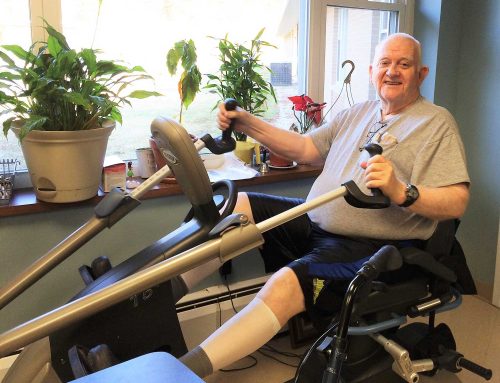
For some individuals, this may mean dressing with limited assistance, participating in personal grooming, or walking short distances with an appropriate mobility device.
Others may benefit from adaptive equipment or modified routines that make everyday tasks more manageable.
The amount of assistance required may change over time, making regular evaluation important.
Caregivers can help residents participate in daily activities according to their abilities while providing support when necessary.
This balanced approach respects the resident’s capabilities and avoids creating unnecessary dependence.
Personal independence also includes the freedom to express opinions, maintain interests, and participate in decisions about daily life.
When residents feel heard and respected, they are more likely to experience a sense of control and belonging within their care environment.
Creating Meaningful Social Connections
Social interaction plays an important role in emotional health, particularly for older adults who may have experienced changes in mobility, living arrangements, or personal relationships.
Moving into a long-term care facility can initially feel unfamiliar. Residents may miss their homes, neighborhoods, and previous daily routines.
Opportunities for companionship and meaningful activities can help make this transition more comfortable.
Social engagement may include group conversations, recreational programs, music, games, creative activities, celebrations, and shared experiences.
These activities provide opportunities to develop friendships, maintain interests, and enjoy a sense of community.
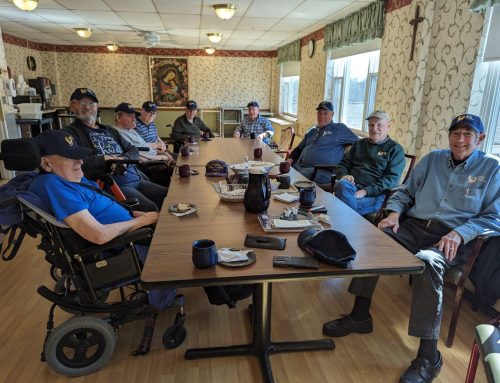
At Matulaitis Rehabilitation and Skilled Care, recreational activities are an important part of long-term resident life, encouraging social participation, creativity, and personal involvement.
Participation should always reflect individual preferences and abilities.
Some residents may enjoy lively group gatherings, while others prefer smaller activities or one-on-one interactions.
The objective is not to fill every hour with scheduled events. It is to provide meaningful opportunities for residents to remain engaged with the people and activities that bring them enjoyment.
Even simple experiences, such as listening to favorite music, sharing stories, or participating in a familiar hobby, can contribute to emotional well-being.
Supporting Emotional Health During Life Changes
Transitioning into long-term care can bring a wide range of emotions.
Residents may experience sadness about leaving a longtime home, concern about their health, or frustration with physical limitations.
Family members may also struggle with feelings of uncertainty or guilt, particularly when they have spent years providing care themselves.
Recognizing these emotions is an important part of compassionate long-term care.
A respectful environment allows residents to express their feelings without judgment and receive reassurance during periods of adjustment.
Familiar personal belongings, regular family contact, and consistent daily routines may help create a sense of comfort.
Staff members who take time to learn about residents’ personalities, interests, and backgrounds can also contribute to more meaningful relationships.
For example, knowing that a resident enjoys gardening, classical music, or discussing local history may create opportunities for personal connection.
These interactions remind residents that they are valued for more than their medical needs.
Emotional support also involves respecting privacy, listening to concerns, and recognizing when changes in mood or behavior may require additional attention.
A caring residential environment considers the whole person, including the emotional experiences that accompany aging and changes in health.
The Importance of Family Involvement
Family relationships remain important after an individual enters long-term skilled care.
While professional caregivers assume responsibility for many daily medical and personal needs, family members continue to provide familiarity, emotional connection, and valuable knowledge about their loved one’s life.
Regular visits, telephone conversations, shared activities, and participation in special occasions can help residents maintain these important relationships.
Families may also contribute to care planning by sharing information about personal preferences, previous routines, and changes they observe.
Open communication between families and healthcare professionals helps establish realistic expectations and encourages cooperation.
For example, a family member may notice that a loved one seems less interested in a favorite activity or has become unusually quiet during visits.
Sharing these observations with staff can help identify concerns that deserve attention.
Families should also feel comfortable asking questions about care plans, medical changes, daily routines, and opportunities for resident participation.
At Matulaitis Rehabilitation and Skilled Care, family support is recognized as part of the broader resident community.
Maintaining positive connections between residents, loved ones, and caregivers can help make long-term care a more supportive experience for everyone involved.
Spiritual Well-Being and Personal Values
For many individuals, spiritual beliefs and personal values become especially meaningful during later stages of life.
Faith, reflection, prayer, and connection with longstanding traditions may provide comfort during periods of illness, uncertainty, or physical change.
Spiritual well-being can also involve finding meaning in relationships, reflecting on personal experiences, and maintaining a sense of purpose.
At Matulaitis Rehabilitation and Skilled Care, the organization’s Catholic heritage influences its commitment to respecting human life and the dignity of every person.
Its core values of respect, compassion, faith, hope, and integrity help shape the philosophy behind resident care.
Spiritual support should remain sensitive to each individual’s beliefs, preferences, and wishes.
For residents who value religious practices, maintaining connections with their faith traditions may provide reassurance and continuity.
Others may find comfort through quiet reflection, meaningful conversations, family relationships, or activities that hold personal significance.
Recognizing these different needs contributes to a caring environment that respects residents as individuals.
Long-term skilled care becomes more meaningful when attention is given not only to physical health but also to the values and relationships that have shaped a person’s life.
Nutrition, Comfort, and Healthy Daily Routines
Daily routines play an important role in supporting the health and comfort of long-term care residents.
Regular meals, appropriate hydration, personal hygiene, rest, and opportunities for movement contribute to physical well-being.
Older adults may experience changes in appetite, dietary requirements, or the ability to chew and swallow safely.
Certain medical conditions may also require dietary adjustments or closer monitoring of nutritional intake.
Individual care plans can address these concerns with attention to medical recommendations and personal preferences.
Comfortable daily routines are equally important.
Consistent assistance with bathing, dressing, grooming, and personal care can help residents feel refreshed and maintain their dignity.
Sleep and rest also deserve consideration, particularly for individuals managing chronic pain, fatigue, or other health conditions.
When possible, daily schedules should respect familiar habits and personal preferences.
For example, a resident who has always preferred an early breakfast or a quiet afternoon may feel more comfortable when those routines can be accommodated.
These everyday details contribute to a sense of stability and make residential care feel more personal.
Safety Without Sacrificing Quality of Life
Safety is a central consideration in long-term skilled care, particularly for individuals with mobility limitations, cognitive changes, or chronic medical conditions.
Residents may face increased risks related to falls, medication complications, skin injuries, or changes in physical health.
Professional care teams work to identify individual risks and establish appropriate precautions.
These may include assistance with walking, suitable mobility devices, accessible surroundings, medication monitoring, and regular observation.
At the same time, maintaining safety should not mean unnecessarily restricting residents’ participation in daily life.
Quality care seeks a thoughtful balance between protection and independence.
A resident who enjoys walking may benefit from supervised movement or appropriate mobility assistance rather than being discouraged from activity entirely.
Someone who enjoys participating in recreational programs may need adjustments that make those activities accessible.
The goal is to support meaningful participation while responding appropriately to medical and physical limitations.
A respectful approach to safety recognizes that comfort, personal choice, and quality of life are important considerations alongside clinical care.
Recognizing When Long-Term Skilled Care May Be Needed
Families often wonder when it is time to consider a long-term skilled nursing facility.
There is no single answer because every individual’s medical needs, abilities, and home circumstances are different.
Certain changes may indicate that additional professional support should be considered.
Frequent falls, difficulty managing medications, repeated hospitalizations, increasing confusion, or an inability to perform essential personal care activities may raise concerns about continued independent living.
Family caregivers may also reach a point where the level of assistance required exceeds what they can safely provide.
For example, a loved one who needs frequent overnight assistance, complex medical treatments, or continuous supervision may require more support than family members can reasonably maintain at home.
Recognizing these limitations is not a reflection of insufficient dedication.
It is an acknowledgment that certain medical and personal needs are best addressed by trained professionals in an appropriate care setting.
Families can begin by discussing changes with the individual’s physician and exploring the types of care that may be suitable.
An assessment of medical needs, daily living abilities, and available support can help determine whether long-term skilled care is appropriate.
What Families Should Consider When Choosing a Facility
Selecting a long-term skilled nursing facility is a significant decision that deserves careful thought.
Families should look beyond the basic availability of nursing services and consider the experience their loved one may have as a resident.
The facility’s approach to individualized care, staff communication, resident activities, cleanliness, and atmosphere can all influence quality of life.
A personal tour can provide an opportunity to observe how residents and staff interact and whether the environment feels welcoming and respectful.
Families may also wish to ask how medical concerns are handled, how care plans are reviewed, and how residents’ personal preferences are incorporated into daily routines.
Other important considerations include opportunities for family involvement, access to recreational activities, visiting arrangements, and communication during changes in a resident’s health.
Understanding payment arrangements, insurance coverage, and admission requirements is also essential before making a decision.
For families seeking long-term skilled care in Connecticut, choosing a facility close to home may make regular visits and continued family involvement more convenient.
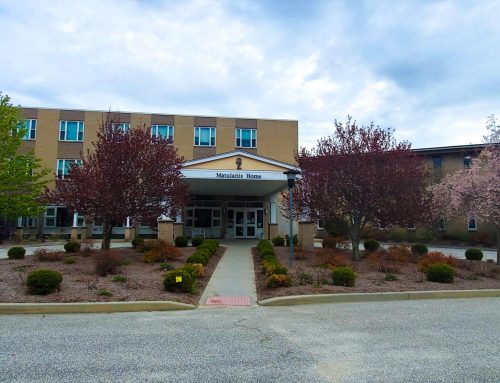
Matulaitis Rehabilitation and Skilled Care, located in Putnam, serves individuals and families throughout Northeast Connecticut. Its nonprofit mission and commitment to compassionate, individualized care reflect an approach that values both clinical needs and personal well-being.
A Place Where Residents Remain Valued and Respected
Long-term skilled care represents an important stage in the lives of many older adults and individuals with continuing medical needs.
While the decision to enter residential care may involve significant changes, it can also provide opportunities for greater comfort, dependable nursing assistance, meaningful companionship, and relief from the challenges of managing complex health conditions alone.
The quality of long-term care is reflected not only in medical services but also in the everyday experiences of residents.
Being greeted warmly, having personal preferences respected, participating in enjoyable activities, and maintaining relationships with loved ones all contribute to a positive living environment.
Compassionate caregivers recognize that every resident brings a lifetime of memories, accomplishments, relationships, and individual experiences.
These qualities remain important regardless of age, physical limitations, or medical needs.
At Matulaitis Rehabilitation and Skilled Care, long-term skilled nursing care is guided by a commitment to professional support, human dignity, and compassionate relationships.
Families exploring long-term skilled care in Putnam or the surrounding Northeast Connecticut communities are encouraged to contact Matulaitis Rehabilitation and Skilled Care to discuss care options, ask questions, or schedule a personal tour.
The right long-term care setting can provide more than assistance with daily needs. It can become a place where residents experience security, companionship, respect, and a continued sense of belonging.