Healing Momentum: Unlocking Recovery After Acute Care
Recovery rarely ends when the hospital doors close. After a major surgery, a serious infection, a fall, a stroke, or a flare of a chronic condition, the body still needs time, skilled intervention, and steady encouragement to regain strength and confidence. Post-acute rehabilitation exists precisely for this transitional chapter—when medical stability has been achieved but functional recovery is still underway. The days and weeks immediately following an acute event form a window of opportunity. Muscles begin to weaken quickly with inactivity, balance and coordination can decline, and confidence may erode. Intervening with structured, skilled support during this period helps reverse those trends and builds positive momentum that carries forward.
The central purpose of this care is straightforward: restore health and well-being as efficiently and thoroughly as possible. Therapy and nursing services are coordinated so that medical needs and functional goals advance together rather than in isolation. Physical, occupational, and speech therapies form the core of the program, delivered by specialized rehabilitation partners who create tailored plans for each individual. The intensity and focus of therapy are adjusted according to medical tolerance, personal goals, and observed progress, ensuring that effort produces results without unnecessary risk.
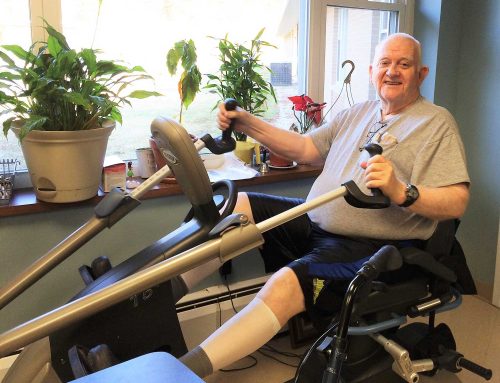
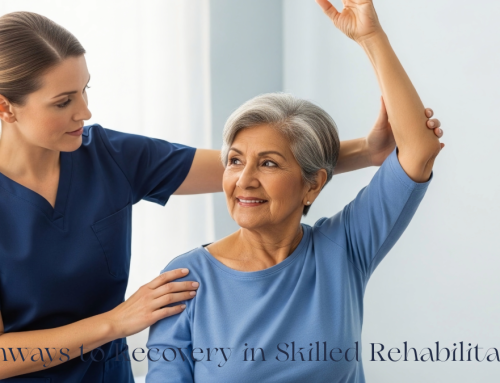
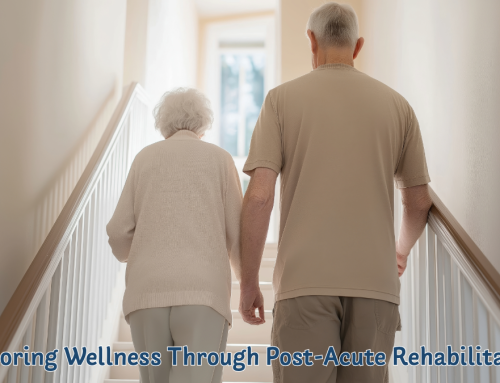
Physical therapy focuses on mobility, strength, balance, and endurance. Whether the challenge is walking after joint replacement, rebuilding stamina after prolonged bed rest, or improving gait safety after a neurological event, therapists design progressive exercises that match current abilities while steadily raising the bar. Early sessions may emphasize safe bed mobility, transfers, and short-distance walking with assistance. As strength returns, the work expands to include longer distances, varied surfaces, stair negotiation, and community-level mobility skills when appropriate. Therapists also address pain management strategies, proper body mechanics, and the use of assistive devices so that gains made in therapy translate into safer movement throughout the day.
Occupational therapy turns attention to the activities that define independence: personal care, household tasks, and safe participation in meaningful routines. Therapists evaluate how a person performs dressing, bathing, grooming, toileting, and meal preparation, then introduce adaptive techniques, energy-conservation methods, and equipment recommendations that make these tasks more manageable. Upper-extremity strengthening, fine-motor coordination, and cognitive strategies for sequencing and problem-solving are woven into sessions. The aim is to restore the ability to manage daily life with as much independence and dignity as possible, whether the next step is returning home or moving to another supportive setting.
Speech-language therapy addresses communication, cognition, and safe swallowing—areas that can significantly affect quality of life and safety after illness or injury. Evaluation may reveal difficulties with articulation, language comprehension or expression, voice quality, memory, attention, or the complex coordination required for safe eating and drinking. Treatment is highly individualized and may include oral-motor exercises, compensatory strategies for swallowing, language stimulation activities, cognitive training, and education for both the resident and family. Improvements in these areas often restore social connection and reduce the fear associated with mealtimes or conversation.
Alongside therapy, skilled nursing addresses the medical complexity that often travels with post-acute needs. Cardiac rehabilitation programs support heart recovery with carefully monitored activity and education. COPD management helps residents conserve energy and improve respiratory efficiency. IV therapy, sophisticated wound care, and specialized approaches for bariatric patients ensure that medical stability supports rather than hinders functional progress. Nurses monitor vital signs, manage medications, observe for complications, and communicate closely with physicians and therapists so that any changes in condition are addressed promptly. This continuous medical oversight allows therapy to proceed safely even when residual medical needs remain.
Individualized plans of care are essential. No two recoveries look the same. A thorough evaluation considers medical history, current physical and cognitive status, personal goals, living situation, and support network. The resulting plan is dynamic—adjusted as strength returns, new challenges appear, or goals evolve. This flexibility keeps therapy relevant and motivating. Interdisciplinary collaboration ensures that observations from nursing, therapy, dietary services, and other team members inform ongoing decisions. Regular communication with the resident and family keeps everyone aligned and invested in the process.
The environment in which recovery happens influences outcomes. A setting that balances clinical excellence with warmth, respect, and quiet spaces for rest or reflection helps residents stay engaged. Gardens, natural light, and opportunities for meaningful connection contribute to emotional resilience, which in turn supports physical progress. Care grounded in respect, compassion, faith, hope, and integrity treats the whole person, recognizing that healing involves body, mind, and spirit. When residents feel seen and valued rather than processed, motivation and participation tend to increase. The presence of a supportive community—staff, fellow residents, and visiting family—further reinforces the sense that recovery is a shared effort rather than a solitary struggle.
Families play an important role. Education about safe techniques, energy conservation, and home modifications prepares everyone for the next chapter. Regular communication keeps loved ones informed and involved without overwhelming the recovery process. Many families find that learning practical skills during the post-acute stay reduces anxiety about the transition home and increases confidence in providing ongoing support. Open visiting policies and clear channels of communication with the care team help maintain connection during what can otherwise feel like a period of separation.
Many people enter post-acute care uncertain about how much function they will regain. Consistent, skilled intervention often produces better results than expected. Some return home with tools and confidence they did not have at discharge. Others gain the strength and stability needed for a successful longer-term arrangement. In every case, the focus remains on maximizing independence and well-being within a realistic timeframe. Celebrating incremental progress—standing a little longer, walking a few more steps, completing a self-care task with less assistance—helps sustain momentum even on difficult days.
Selecting a rehabilitation and post-acute setting means looking for clinical capability, specialized services, individualized attention, and an atmosphere that supports motivation. A highly rated, non-profit facility dedicated to efficient restoration of health and well-being offers both the expertise and the human-centered approach that turn potential into progress. Factors such as therapy availability seven days a week when appropriate, the quality of the therapy partnership, the range of specialized nursing services, and the culture of respect all contribute to the likelihood of a successful outcome.
- Coordinated physical, occupational, and speech therapy focused on functional recovery
- Skilled nursing services that address cardiac needs, respiratory management, IV therapy, complex wounds, and bariatric care
- Dynamic, individualized care plans that evolve with each resident’s progress and goals
- Interdisciplinary collaboration that integrates medical, therapeutic, and psychosocial perspectives
- Family education and involvement designed to support a smoother transition after the post-acute stay
- Supportive environment that prioritizes dignity, emotional well-being, and whole-person healing
- Commitment to restoring health and independence as efficiently and thoroughly as possible while maintaining safety
If discharge planning is underway or a loved one needs continued skilled support after hospitalization, taking time to understand post-acute rehabilitation options can make the difference between a hesitant recovery and one filled with growing momentum. Healing continues after the hospital—and with the right support, that continuation can become a genuine return of strength, confidence, and everyday possibility. Asking detailed questions about therapy intensity, specialized services, care planning processes, and the philosophy of the setting helps families choose a place where recovery is not only possible but actively nurtured every day.