Recovery Is More Than Leaving the Hospital
Returning to everyday life after a serious illness, injury, or surgical procedure can take time, patience, and professional support. While hospital treatment addresses immediate medical concerns, many individuals require additional care before they are ready to safely resume their regular routines. Post-acute rehabilitation provides an important bridge between hospitalization and greater independence, helping patients rebuild strength, restore mobility, and regain confidence in their abilities.
For older adults and individuals recovering from significant medical events, the transition from hospital to home may present unexpected challenges. Activities that once seemed effortless, such as walking across a room, preparing a meal, getting dressed, or climbing stairs, can suddenly require considerable effort. Fatigue, discomfort, limited mobility, and concerns about falling may make independent living difficult during the early stages of recovery.
Rehabilitation and post-acute care address these challenges through individualized treatment, skilled nursing support, and therapeutic activities designed around each person’s condition and recovery goals.
At Matulaitis Rehabilitation and Skilled Care in Putnam, Connecticut, the focus is on restoring health and supporting resident well-being through compassionate, person-centered care. The goal is to help individuals achieve the greatest possible level of recovery while respecting their physical, emotional, and personal needs.
Understanding the Purpose of Post-Acute Rehabilitation
Post-acute rehabilitation refers to medical care and therapeutic services provided after an individual has received treatment for an illness, injury, or surgery. This care is often appropriate when someone no longer requires hospitalization but still needs professional assistance to recover safely.
The level and duration of rehabilitation depend on several factors, including the individual’s medical condition, previous level of independence, physical abilities, and personal recovery objectives.
Some individuals require a relatively short period of rehabilitation before returning home. Others may need additional time to address complex medical conditions or significant limitations in mobility.
Common situations that may lead to post-acute rehabilitation include recovery from orthopedic surgery, fractures, strokes, serious infections, cardiac conditions, respiratory illnesses, and extended hospital stays.
One of the primary benefits of receiving rehabilitation in a skilled nursing setting is the opportunity to combine medical supervision with structured recovery activities. This approach allows healthcare professionals to address both the medical and functional aspects of healing.
Rather than focusing solely on the condition that caused hospitalization, rehabilitation considers how that condition affects the person’s ability to participate in daily life.
Restoring Mobility and Physical Strength
A prolonged illness or hospital stay can cause noticeable changes in muscle strength, endurance, balance, and coordination. Even individuals who were previously active may experience difficulty walking or performing routine movements after spending an extended period in bed.
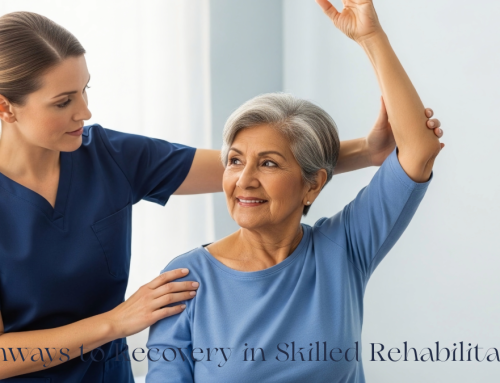
Physical rehabilitation plays an important role in addressing these limitations.
Depending on the patient’s needs and treatment plan, physical therapy may involve exercises and activities intended to improve muscle strength, joint movement, balance, walking ability, and physical endurance.
For someone recovering from hip surgery, rehabilitation may focus on safe movement, walking with an assistive device, and gradually increasing activity levels. A person recovering from a stroke may require support with balance, coordination, and movement patterns.
Progress is often gradual. Walking a few additional steps, standing with less assistance, or moving more comfortably between a bed and chair can represent meaningful achievements.
These improvements contribute to greater physical independence and can help individuals feel more secure as they prepare for the next stage of recovery.
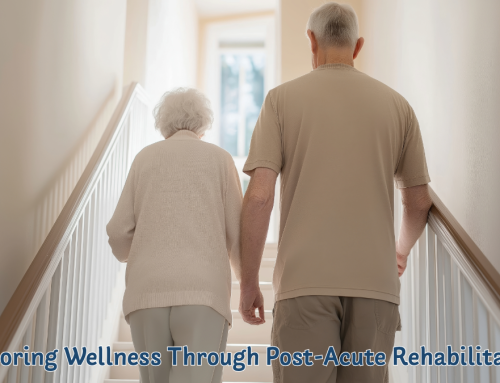
Equally important is learning how to move safely. Rehabilitation professionals can help patients practice techniques that reduce the risk of falls and support safer movement during everyday activities.
Regaining Independence With Daily Activities
Successful rehabilitation involves more than physical strength. It also includes the ability to perform essential personal tasks with as much independence as possible.
Occupational therapy, when included in an individual’s treatment plan, can help patients regain the skills needed for everyday living.
Activities may include dressing, bathing, grooming, eating, transferring between surfaces, and using adaptive equipment.
For example, a person recovering from shoulder surgery may need to learn alternative ways to dress without placing unnecessary strain on the affected arm. Someone experiencing reduced balance may benefit from practicing safer techniques for bathing or moving around a bathroom.
These practical skills can make a substantial difference in a person’s confidence and comfort.
Rehabilitation professionals may also recommend assistive devices or changes to daily routines that make certain activities easier to perform.
The objective is not simply to complete an exercise or therapy session. It is to help individuals apply their improving abilities to real situations that matter in their daily lives.
When rehabilitation connects therapeutic progress with personal independence, recovery becomes more meaningful and relevant to each individual.
The Importance of Skilled Nursing During Recovery
Many patients entering post-acute rehabilitation have medical needs that require ongoing professional attention.
They may be recovering from surgery, managing chronic health conditions, taking several medications, or experiencing symptoms that require careful observation.
Skilled nursing care provides an important layer of support throughout this period.
Depending on individual medical needs, nursing responsibilities may include medication administration, monitoring vital signs, wound care, assistance with medical treatments, and communication with physicians regarding changes in a patient’s condition.
Nurses also help patients manage discomfort, understand their care routines, and receive assistance with personal needs.
The relationship between nursing care and rehabilitation is particularly valuable because physical recovery and medical stability are closely connected.
For example, pain that is not adequately controlled may make participation in therapy more difficult. Changes in blood pressure, fatigue, or other symptoms may affect how safely an individual can participate in physical activities.
Communication among healthcare professionals helps ensure that rehabilitation activities remain appropriate for the patient’s condition.
This coordinated approach supports recovery while keeping individual health needs at the center of care.
Supporting Emotional Well-Being Throughout Rehabilitation
Recovery from a major medical event can be emotionally challenging.
Individuals who were accustomed to managing their own schedules and personal responsibilities may find it difficult to rely on others for assistance. Some may feel frustrated by physical limitations, discouraged by slow progress, or concerned about whether they will be able to return home.
These feelings are a natural part of many recovery experiences.
Compassionate rehabilitation care recognizes that emotional well-being deserves attention alongside physical health.
Encouragement, respectful communication, and realistic recovery goals can help patients remain engaged in their treatment.
Small achievements deserve recognition. Being able to walk farther, complete a personal task independently, or participate more comfortably in daily activities can help restore a sense of accomplishment.
Maintaining personal routines and meaningful connections can also provide emotional stability during a temporary stay in a rehabilitation setting.
At Matulaitis Rehabilitation and Skilled Care, the organization’s person-centered philosophy reflects the importance of treating each resident as an individual whose dignity, preferences, and emotional needs deserve respect.
Why Individualized Rehabilitation Plans Matter
No two people recover in exactly the same way.
Two individuals undergoing similar surgical procedures may have very different recovery experiences based on their age, medical history, strength, mobility, and existing health conditions.
For this reason, rehabilitation should reflect the specific needs and abilities of each patient.
An individualized care plan considers the person’s current condition, functional limitations, medical requirements, and desired outcomes.
For one patient, the primary goal may be walking safely without assistance. For another, it may involve improving enough strength to return home with family support. Someone else may need to focus on safely managing personal care activities or improving endurance after a serious illness.
Treatment goals may change as recovery progresses.
Regular communication among patients, nursing staff, therapists, physicians, and family members helps ensure that care remains responsive to individual progress.
Personalized rehabilitation also recognizes that recovery does not always follow a predictable schedule. Some days bring noticeable improvement, while others may require additional rest or adjustments to treatment.
A flexible, thoughtful approach allows individuals to work toward meaningful goals without losing sight of their medical needs.
Preparing for a Safe Return Home
For many individuals receiving post-acute rehabilitation, returning home is an important goal.
Yet successful discharge involves more than reaching a certain level of physical improvement. Patients and their families must also consider whether the home environment can safely accommodate the person’s current abilities.
Discharge planning may involve discussions about mobility, medication routines, transportation, personal care, home accessibility, and available family assistance.
A person recovering from surgery may need temporary support with shopping, meal preparation, or household responsibilities. Someone using a walker may need to consider whether stairs, narrow hallways, or loose rugs create safety concerns.
Healthcare professionals may recommend continued therapy, home health services, assistive equipment, or follow-up medical appointments when appropriate.
Family members can play an important role by learning about the individual’s current abilities and understanding what assistance may be needed after discharge.
Preparing for these practical details can help reduce uncertainty and support a smoother transition.
The objective is to make sure that progress achieved during rehabilitation can be supported in the next care setting.
The Role of Family Encouragement in Recovery
Family involvement can provide valuable emotional support during rehabilitation.
Familiar voices, meaningful conversations, and regular visits can help individuals feel connected to their lives outside the care setting.
Loved ones may also help communicate personal preferences, previous routines, and concerns that could influence the recovery experience.
When appropriate and with the patient’s permission, family members can participate in care discussions and discharge planning.
Understanding realistic recovery goals is particularly important. Family members may be eager to see rapid improvement, but healing often requires patience.
Encouraging steady participation in therapy, celebrating small accomplishments, and recognizing the need for rest can help create a positive atmosphere.
Family support does not need to involve complicated responsibilities. Sometimes, simply listening, offering reassurance, or spending time together provides meaningful encouragement.
A supportive relationship between the patient, family, and care team can make the rehabilitation experience feel less overwhelming.
Choosing Rehabilitation Care in Connecticut
Selecting a rehabilitation facility is an important decision, particularly when a loved one is preparing to leave the hospital.
Families may wish to consider the availability of skilled nursing services, the types of rehabilitation support provided, the facility’s approach to individualized care, and how staff communicate with residents and their families.
It can also be helpful to ask how recovery goals are established, how progress is evaluated, and how discharge planning is handled.
A facility’s atmosphere matters as well.
A welcoming environment, respectful staff interactions, and attention to individual preferences can make a difference during a physically and emotionally demanding period.
Located in Putnam, Connecticut, Matulaitis Rehabilitation and Skilled Care is a nonprofit skilled nursing facility serving individuals and families in Northeast Connecticut. Its approach emphasizes professional care, compassion, respect, and the inherent dignity of every person.
For individuals who need continued medical attention and rehabilitation after hospitalization, choosing an appropriate care setting can provide important support during the recovery process.
Moving Forward With Strength and Confidence
Recovery is rarely defined by a single achievement. It develops through consistent effort, professional guidance, medical support, and the determination to regain meaningful abilities.
For some individuals, progress means walking independently again. For others, it means safely completing personal care tasks, managing everyday activities with less assistance, or returning to a familiar home environment.
Each improvement represents an important part of the healing process.
Rehabilitation and post-acute care provide an opportunity to focus on these goals in a setting where medical needs and functional recovery can be addressed together.
Families seeking rehabilitation and post-acute care in Northeast Connecticut can contact Matulaitis Rehabilitation and Skilled Care to discuss individual care needs, available services, and the next steps toward recovery.